


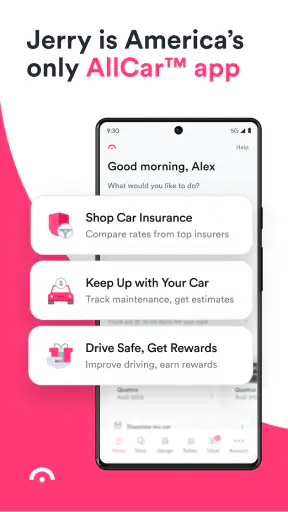

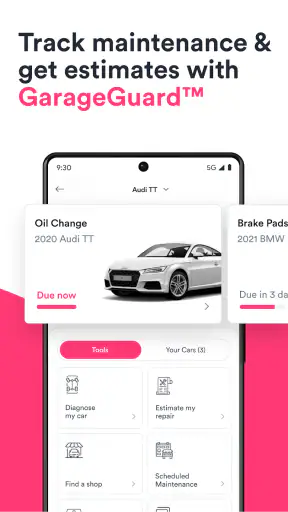
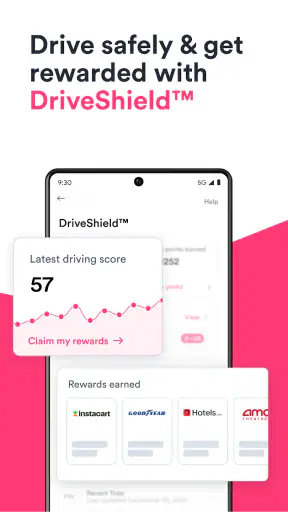

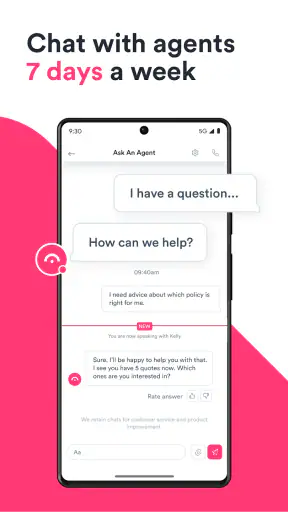
I approached Jerry: Insurance & Car Care as someone trying to make car ownership less confusing, rather than as a person looking for another finance app to check every day. Its main job is to bring insurance comparison, car-care costs, and safe-driving discounts into one mobile experience. That combination is useful because these expenses are usually scattered across insurer websites, repair shops, maintenance notes, and personal spreadsheets.
The app is developed by Jerry, Inc., and it is free to use with an Everyone content rating. It has been available since October 25, 2017, and its current version is 3.134.1 for devices running operating system version 10 or later. With a 4.4 average from around 17 thousand ratings and more than a million installs, it has clearly attracted a substantial audience without being something I would treat as a universal replacement for an insurer, mechanic, or financial adviser.
How clearly the app presents car costs
My first impression is that Jerry makes more sense when I use it with a specific task in mind. I would open it when comparing car insurance, checking whether a maintenance expense looks reasonable, or trying to understand how driving habits might affect available discounts. That focus is more helpful than simply browsing through a long list of financial tools.
The navigation is most comfortable for people who already know what they want to do. Someone preparing to renew a policy can think in terms of comparing coverage, while a driver facing a repair can approach the app from the cost side. This task-based approach reduces the need to remember complicated menu names, although a first-time user may still need a moment to understand how insurance and vehicle care fit together.
I would not describe the experience as a full replacement for reading an insurance policy. Comparison tools are good at helping me notice differences between options, but the important details remain in the coverage terms, exclusions, deductibles, limits, and conditions. I would use Jerry to narrow my choices, then read the actual documents before making a commitment.
That distinction is especially important for users who find dense financial language difficult. The app can make the starting point feel more approachable, but no comparison screen can remove the need to understand what protection a policy actually provides. A cheaper result is not automatically a better result if it leaves out coverage I need.
Readability that helps during a stressful decision
Insurance shopping often happens when I am already tired of forms and unfamiliar terminology. In that situation, a mobile layout that keeps one decision at a time in view is easier to manage than opening many insurer pages in a browser. I found the concept of having comparison and car-care information together particularly useful for people who prefer one central place to begin research.
There is also a practical benefit for users who need to increase text size or rely on device-level display settings. Larger text can make forms and explanations easier to inspect, but it can also change how much information fits on screen. I would therefore move slowly through important screens rather than assuming that a quick glance is enough.
For someone with dyslexia, attention difficulties, or limited familiarity with insurance terms, the best workflow is to prepare the information before starting. I would write down the vehicle details, current coverage, renewal date, and questions I want answered. That turns the app from an open-ended browsing session into a checklist, which lowers the mental load and makes comparisons more meaningful.
One useful habit is to save or record the reasoning behind a choice outside the app. If I compare two policies, I would note the premium, deductible, liability limits, and any feature that matters to me. This is not glamorous, but it prevents a later offer from looking attractive simply because it is displayed more prominently or uses simpler wording.
Motor and sensory considerations
Jerry is designed for a phone-based process, so the physical demands are generally familiar: tapping controls, entering information, scrolling, and reviewing choices. That can work well for users with limited stamina if they complete the process in short sessions. I would avoid trying to finish a detailed comparison while standing in a parking lot or dealing with a vehicle problem at the roadside.
For users with limited fine-motor control, the main challenge is that financial forms require accurate input. A small mistake in vehicle or driver information can affect the usefulness of a comparison. I would use a stable surface, enable the phone’s preferred input assistance, and review every field before moving on. The app may simplify the process, but it cannot make inaccurate information harmless.
People with low vision may benefit from the phone’s built-in magnification, contrast, or text settings, provided those settings do not hide important content. I would also recommend checking screens in a calm environment instead of relying on a quick visual scan. Insurance decisions involve details that are easy to miss when glare, small text, or screen fatigue is involved.
For users with hearing loss, the most relevant parts of this app are likely to be visual because comparison and cost information can be read on screen. However, if a user is directed toward a phone conversation or another communication step, they may need an alternative way to handle it. I would keep written notes of the question, the selected option, and any reference information so that a conversation does not become the only record of the decision.
Users with sensory sensitivity may appreciate being able to choose when to review costs instead of dealing with a busy office or several browser tabs. A quiet room, reduced screen brightness, and a short session can make the process more manageable. I would not use the app while driving, even if the task feels brief. Comparing insurance or checking repair costs requires attention that belongs on the road.
Situational access in everyday car ownership
A realistic use case is a driver whose policy renewal is approaching while the car has also started needing regular maintenance. Instead of treating those as unrelated problems, I would use Jerry to begin comparing insurance and then examine the car-care side before setting a budget. That sequence helps me think about the total cost of keeping the vehicle, not just the monthly premium.
Another useful moment is after receiving a repair estimate that feels unexpectedly high. I would not use the app as a final mechanical diagnosis, but I could use its maintenance and repair-cost information as a second point of reference. The important trade-off is that a general cost comparison cannot account for every local labor rate, vehicle condition, or unusual repair complication. I would take the result as a question to ask the mechanic, not as proof that the mechanic is wrong.
The safe-driving discount angle may appeal to people who want their driving behavior to have a financial connection. It is most relevant for someone willing to consider how driving habits relate to insurance costs, rather than for a person who wants a completely passive quote-and-forget experience. Before relying on any potential saving, I would check the terms shown during the process and make sure the idea fits my comfort level.
For a caregiver helping an older driver or a family member with limited digital confidence, the app can serve as a shared starting point. I would sit beside the person, explain each choice in plain language, and let them make the final decision. That approach is better than rushing through the forms on their behalf, because insurance is personal and the driver needs to understand what is being considered.
It can also help someone who has recently moved, changed vehicles, or started tracking ownership expenses more carefully. In those situations, the value is not only the possibility of finding a different insurance option. The larger benefit is having a structured prompt to revisit recurring costs that are easy to ignore until they become urgent.
Where the experience still creates barriers
The biggest barrier is not necessarily the app’s purpose; it is the complexity of the subject. Insurance comparisons involve personal information, vehicle details, coverage choices, and financial consequences. A user who is anxious about privacy, uncertain about terminology, or uncomfortable making a financial decision on a phone may still feel overwhelmed even when the interface is more convenient than visiting several websites.
I also would not recommend relying on Jerry alone when a situation is complicated. Drivers with unusual vehicles, several policies, recent changes in circumstances, or specific coverage requirements may need direct conversations with insurers or an independent professional. An app can organize a search, but it cannot replace careful advice tailored to every exception.
There is a similar limitation with car maintenance. Cost guidance is useful for spotting a rough direction, but it does not inspect the vehicle. If a warning light appears, the car behaves dangerously, or a repair affects safety, I would prioritize a qualified mechanic. Using an estimate as permission to postpone an urgent repair would be the wrong trade-off.
Another point is digital fatigue. A person may be able to use a phone but still struggle with long forms, repeated questions, or switching between app information and official documents. I would break the process into separate sessions and keep a written list of unresolved questions. That makes the app more accessible in practice than trying to complete everything in one sitting.
People who prefer paper records or face-to-face service may also find the mobile-first approach less comfortable. Jerry is a good entry point for comparing and organizing information, but it may not satisfy someone who wants every explanation delivered by a local representative. In that case, a traditional insurer office or phone-based adviser may be the better choice, even if it takes longer.
How it compares with the usual alternatives
The usual alternative is to visit several insurer websites one by one. That route can provide direct access to each company’s own information, but it also makes side-by-side comparison harder and increases the chance of losing track of what was entered. Jerry’s appeal is the attempt to put the initial search into one place, especially for users who do not want to manage multiple tabs and separate quote flows.
Another alternative is an independent insurance agent. An agent may be more useful when I need a human explanation, have unusual coverage needs, or want someone to discuss the consequences of changing limits. Jerry is more convenient for self-directed research, but I would choose an agent when the decision has too many personal exceptions for a quick comparison workflow.
For maintenance, the competing option is simply calling a trusted repair shop or using a vehicle manufacturer’s service information. Those sources can be more specific to the actual car and its condition. Jerry is more helpful at the budgeting and planning stage, when I want to understand whether a projected expense deserves further investigation before authorizing work.
That makes the app strongest as a bridge between scattered research and a final decision. It is not the only source I would consult, but it can reduce the effort required to begin. The best results come from combining its comparisons with policy documents, mechanic explanations, and my own records.
Who should use it and who should skip it
I would recommend Jerry to drivers who want a convenient starting point for insurance shopping and car-cost planning, particularly those who dislike repeating the same basic process across many websites. It may also suit people who want to consider safe-driving discounts as part of their search and prefer to manage early research from a phone.
I would be more cautious about recommending it to someone who expects a complete financial dashboard, a guaranteed lowest price, or a substitute for professional advice. It is also not my first choice for a driver who needs highly specialized coverage or who is uncomfortable entering personal and vehicle information into a digital comparison process.
Before using it, I would decide what matters most: the lowest possible premium, stronger coverage, predictable maintenance spending, or a clearer picture of total ownership costs. Without that priority, comparison tools can encourage me to chase the most attractive number rather than the most suitable protection.
The app is free, which makes experimentation easier, but “free” should not be confused with “without consequences.” The real cost of an insurance decision appears in the coverage, deductible, renewal conditions, and claims experience. I would use the app to investigate options, then verify the details before accepting anything.
My inclusive verdict
Jerry, Inc. has built a practical finance app around a problem many drivers recognize: insurance and car care are expensive, connected, and often difficult to compare. I like its potential to give users one organized place to begin, especially when the alternative is juggling insurer pages, repair estimates, and handwritten notes.
From an inclusion perspective, its strongest quality is flexibility of context. I can use it at home, pause when the information becomes tiring, enlarge the phone display, or work through a decision with a trusted helper. Those are meaningful advantages for people with different abilities, schedules, and levels of confidence, even though they do not remove every barrier.
My practical advice is to treat the app as a research companion. Prepare your details, compare deliberately, record the important differences, and read the actual policy or repair information before acting. Never use it while driving, and do not let a general repair estimate override a safety concern.
After reaching around eleven thousand written reviews and a 4.4 average rating, the app has enough public use to feel established, while its one-million-plus install count suggests that the concept has reached beyond a small niche. I would still judge it by my own needs rather than popularity. For a driver seeking a simpler first step into insurance comparison and vehicle-cost planning, it is worth trying; for complex coverage, urgent repairs, or decisions that require personal guidance, I would pair it with a qualified human source.


